From the River City to Grind City, Jarred Boyd, D.P.T. (B.S. ’12) directs rehabilitation for the Memphis Grizzlies
Feb. 17, 2026
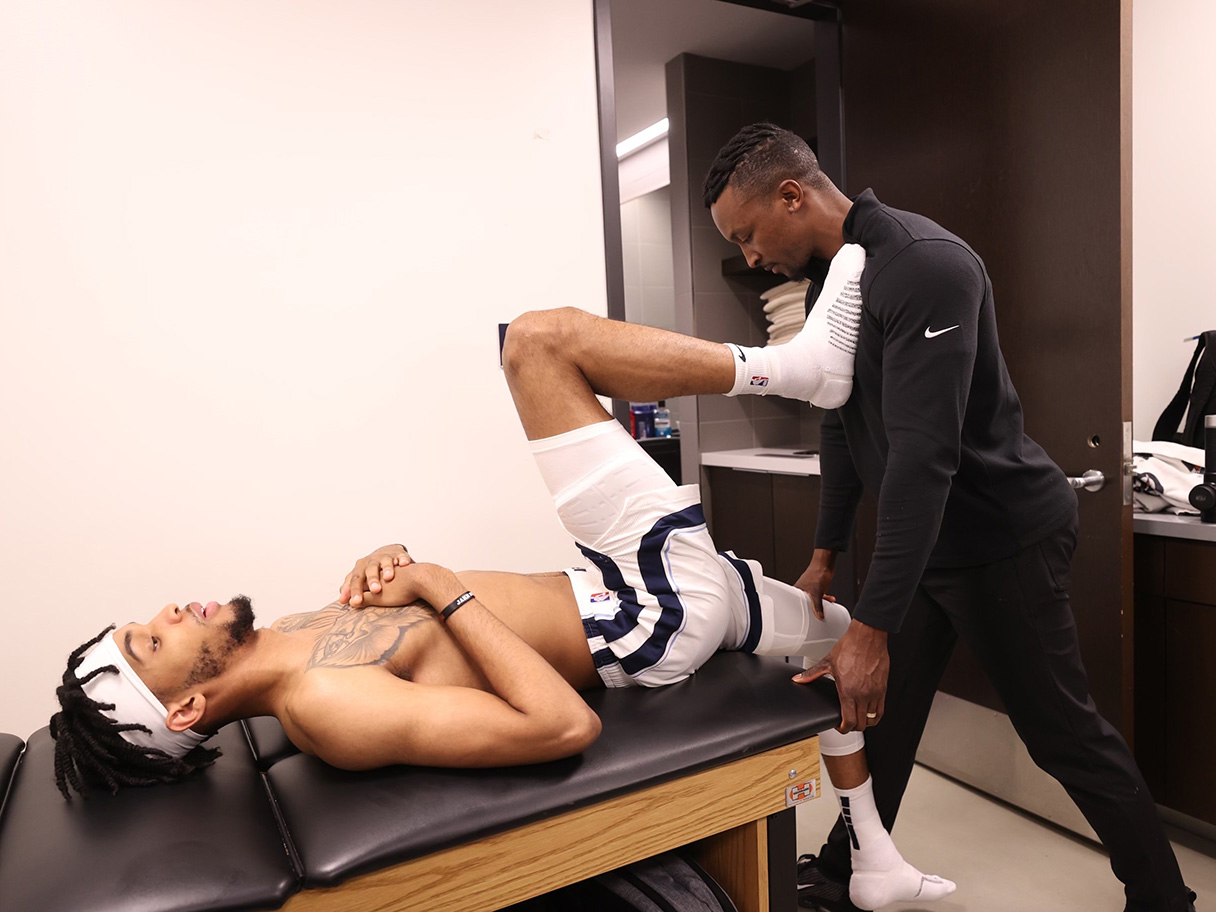
Jarred Boyd, D.P.T. (B.S. ’12), is the director of rehabilitation for the Memphis Grizzlies who play in the National Basketball Association's Western Conference. His career in professional basketball is not only defined by the training and therapy he provides for players on the court, but also the relationships he builds with his players off the court.
Pairing an understanding of human physiology with the likes of psychology or sociology allows Boyd to emphasize the “personal” aspect of physical therapy and training – so much so that he officiated one player’s wedding.
What drew you to VCU to pursue your undergraduate studies in exercise science? What inspired you to choose this major?
VCU's diversity was a significant contributor to my decision, though not only in terms of demographics—the cognitive diversity and didactic heterogeneity were equally appealing. Owning an insatiable curiosity across variable domains that still culminated toward the human body always intrigued me and exercise science offered a path to practically integrate these seemingly disparate disciplines, ranging from physiology, anthropology, biology, sociology, and psychology.
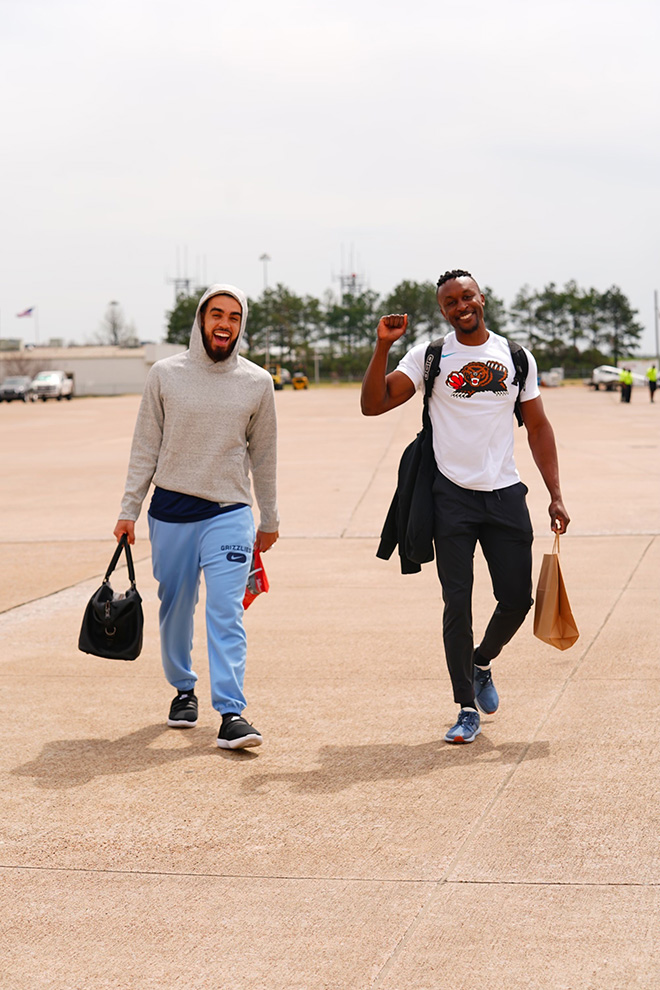 What is your favorite memory from attending VCU?
There are plenty of memorable “event-type” moments from my time at VCU. But looking back, my favorite memories are quieter ones — the late nights, the long study sessions, and the sustained effort that ultimately pushed me beyond my own expectations. In hindsight, there’s a real beauty in that struggle. Those moments taught me the value of persistence and commitment, and they shaped how I view growth today. The work itself and the process of earning progress made the experience truly worthwhile, and that remains one of the most meaningful takeaways from my time at VCU.
After graduating with your B.S. from VCU, what drew you to pursue postgraduate studies in athletic training and then physical therapy?
I was drawn toward becoming a clinician who could support athletes from the plinth to play, from the table to the turf. I wanted the full continuum. Pursuing athletic training and physical therapy allowed me to develop deep domain expertise in how physical inputs and the adaptive intent behind them modulate mechanical stress, shape impulse distribution strategies, and ultimately both augment performance and afford protection. That integration of biology, mechanics, and decision-making was the central motivation behind my postgraduate training.
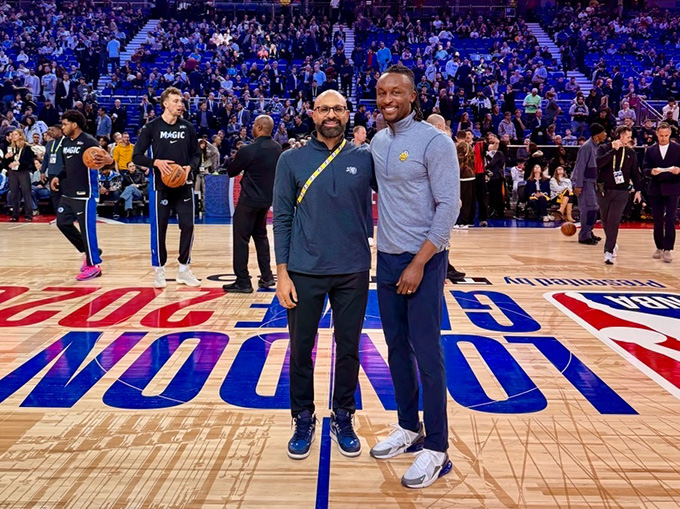 What was the transition like interning in college athletics to working for a professional organization?
In a professional organization there is more ownership of outcomes, meaning you take more responsibility for the process. Thus, there is a need for more self-awareness and discipline to assess where you are, how you got there, and what needs to change. In high performance settings, we’re constantly measuring progress, however, it’s not solely about external benchmarks but also internal standards. As a result, there is a need to self appraise, adjust and grow. Additionally, there is more demand for collaboration across various departments — thus effective communication and high humility are essential qualities to successfully operate in a professional organization.
What does your day to day look like? What has been your career highlight?
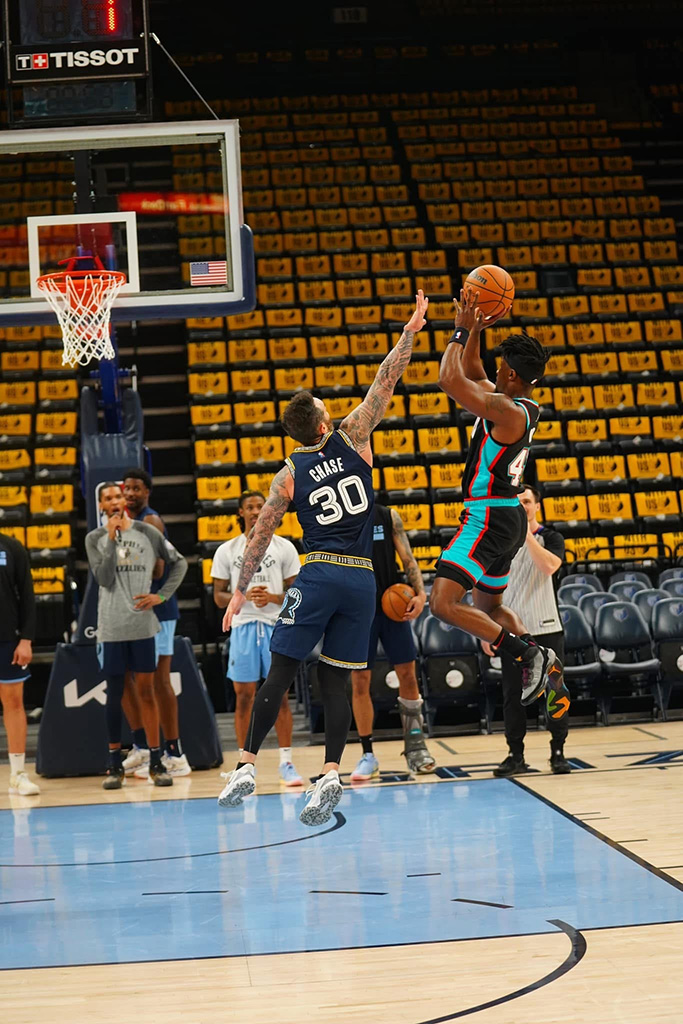 My day-to-day requires persistent communication, collaboration, and agile planning, from return to play cases, to triaging minor aches, to formulating sessions to improve athlete centered constraints. Additionally, engaging in high-level dialogue with the department to leverage effective decision making, offering insight into credible solutions and the management of complexity.
My career highlight extends beyond the technical aspect of the job and instead extends to the relationships and bonds built with the athletes. It is less about working “on” athletes and more about working “with” them, creating authentic connection and trust. My most memorable experience thus far is officiating an athlete’s wedding as it encapsulates how we, as physical therapists, can be influential beyond basketball.
Reflecting on your time at VCU, how do you feel your time on campus helped prepare you to accomplish the work you’ve done so far in your career?
Recognizing the intersection of sciences – biology, physiology, neurology, psychology, and sociology. The range of classes nurtured a desire to bridge the chasm between disciplines and acquire a breadth of knowledge versus simply seeking a depth of intellect in a single domain, which is essential when working with a complex adaptable system such as the human body.
What’s your why?
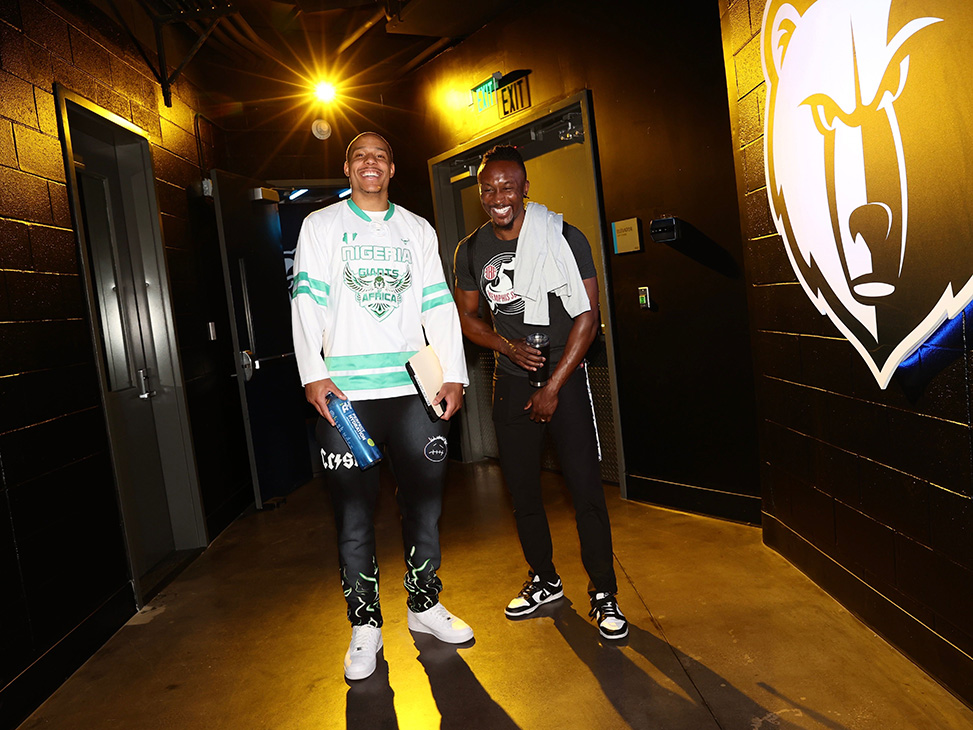 My why is elevating human potential in others and in myself. That includes athletes, colleagues, and my own personal growth. I’m driven by the discipline of thinking again: questioning assumptions, refining understanding, and bridging the often-separated worlds of rehabilitation, performance, and decision-making. I’m motivated by helping people and systems reach their highest capacity grounded in purpose, curiosity, and continuous learning.
Whether through mentorship, teaching, or an eventual book, my goal is to help young practitioners develop stronger decision-making skills so they can think clearly in complex environments, trust first principles, and ultimately move the field forward. Just as importantly, I want to see them fulfill their own aspirations and exceed what they believe is possible.