Heather Caslin, Ph.D. (B.S.’12, M.S.’14, Ph.D.’18) trains the next generation of physiology students
Jan. 30, 2026
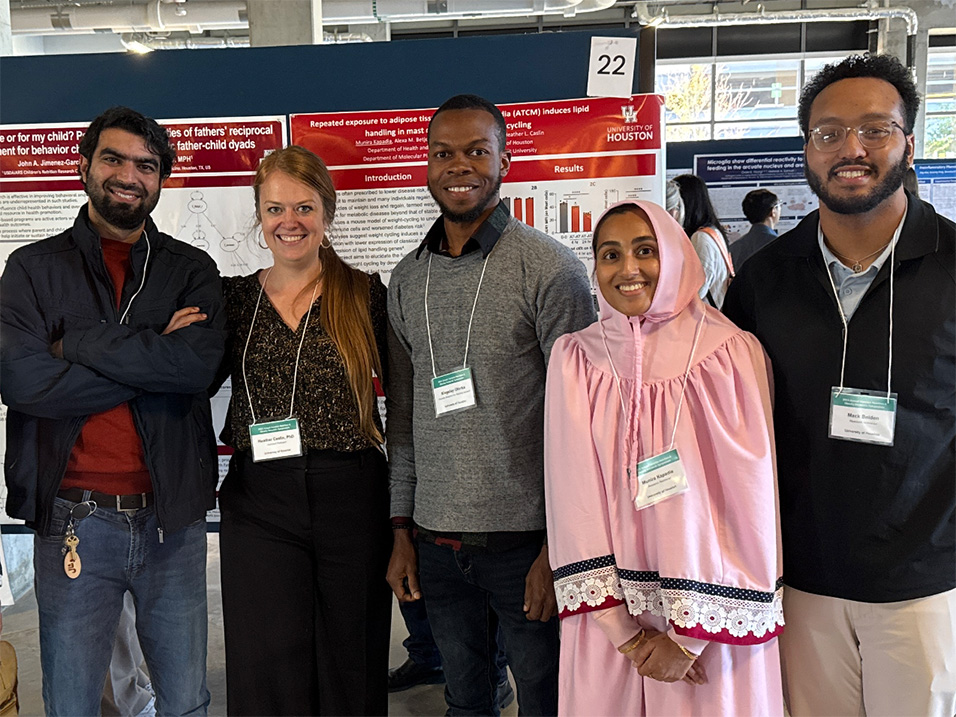
An untimely foot injury in high school served as the flashpoint for an entirely new career path for Heather Caslin, Ph.D. (B.S.’12, M.S.’14, Ph.D.’18), who is now an assistant professor at the University of Houston’s Department of Health and Human Science.
When it was time to choose where to go to college, Caslin found a home in VCU to pursue her new interest in physical therapy stemming from her own injury recovery – a pursuit that would keep her at the university for a decade until she defended her dissertation. Caslin flourished in her postgraduate work under the mentorship of Department of Kinesiology and Health Sciences Chair Lee Franco, Ph.D., and Professor John Ryan, Ph.D., who served as her dissertation advisor. Their tutelage provides inspiration for Caslin as she works with her own students.
What drew you to VCU to initially study Health, P.E., and Exercise Science (HPEX)?
I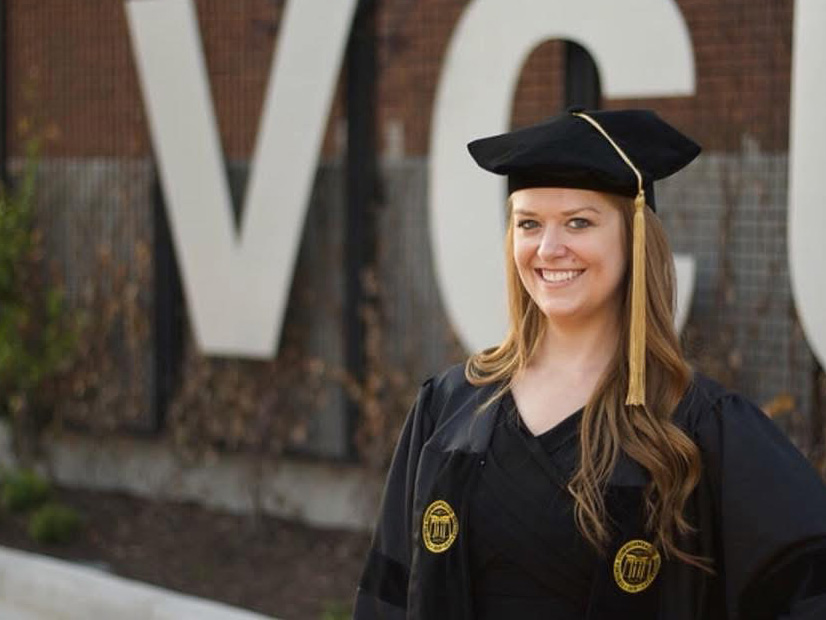 n high school, I experienced a foot injury that ended my senior ballet and track seasons. While it was sad to sit in the bleachers and on the side of the stage while my peers finished their high school careers, my time in physical therapy sparked my interest in becoming a physical therapist. I found out VCU had a great physical therapy program, but because physical therapy is a professional graduate degree, exercise science was a clear fit for an undergraduate degree that closely aligned with my interests in sport and health. I visited VCU’s campus after a summer dance program with VCUArts adjunct professor Starr Foster and liked the big urban campus, diverse student body, and that I could fit in some dance electives if I chose exercise science as a major.
What is your favorite memory from attending VCU?
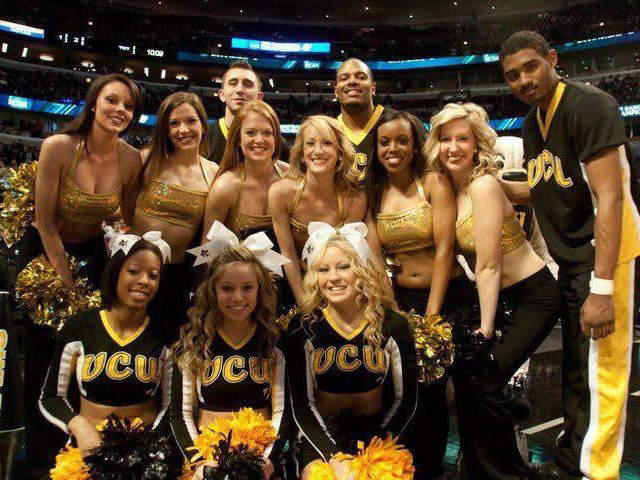 Oh, there are many – I was at VCU for 10 years, so there is a lot to choose from. Being a part of the dance team when we went to the NCAA Men’s Basketball Final Four in 2011 is hard to beat, but I also remember all the time spent on and off campus with classmates, roommates, and friends. When I think about my time at VCU in graduate school, I also remember the playlist we would turn on in the lab for big experiments, celebrating milestone moments, exactly what hallway I was in when I received notice that my M.S. thesis article was accepted for publication, and the first time I realized I was the first person in the world to know the result of an experiment.
What inspired you to pursue a graduate degree? Did you always want to pursue a career in research and academia?
The short story is that as an undergraduate student, I was invited to a local regional conference that opened my eyes to the vast world of research. I had already applied to physical therapy school but decided to try research first. I started a master’s degree, knowing I could apply again to physical therapy programs if I found that I did not enjoy research. But after just a few weeks in the lab, I was hooked on research and have never looked back. I learned that I love asking questions, working in the lab, and working with students.
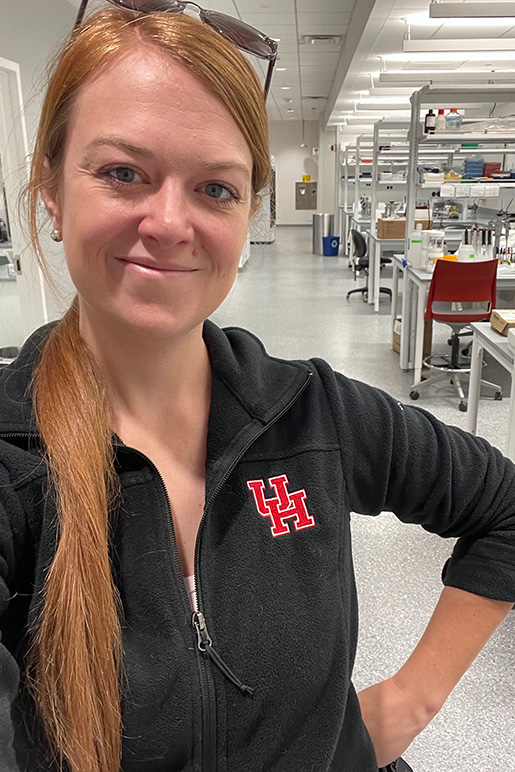 Tell me about your current role as an assistant professor at the University of Houston’s Department of Health and Human Performance. What does your day-to-day look like?
The University of Houston has a large urban campus, quite like VCU, and we have a great basketball program too! In my faculty position, I mainly split my time teaching and running a research lab. I am teaching our large “Introduction to Kinesiology” undergraduate course, and I co-run an “Introduction to Research” program with a colleague. In my research lab, we are broadly interested in understanding how diet and exercise affect the immune system in health and disease. Right now, we are working on projects that aim to understand how the immune system contributes to diabetes following weight loss and weight regain (aka “weight cycling”). I train undergraduate and graduate students to help carry out this research, but I also write grants, order and track supplies, hire and manage staff, and maintain protocols and approvals. Part of my job is also performing service for the university and the larger scientific community by serving on committees, reviewing grants, and peer-reviewing research papers. All that said, I am never bored! And it helps to have great colleagues and students along for the ride.
How did the curriculum in the Department of Kinesiology and Health Sciences and the Center for Integrative Life Sciences Education prepare you for your professional work?
VCU has great courses offered in the HPEX degree plan that are useful for students going into a variety of careers in fitness and health. The “Introduction to Kinesiology” course I now teach is really fun because I get to draw from all of my prior coursework and introduce students to my favorite information from each area.
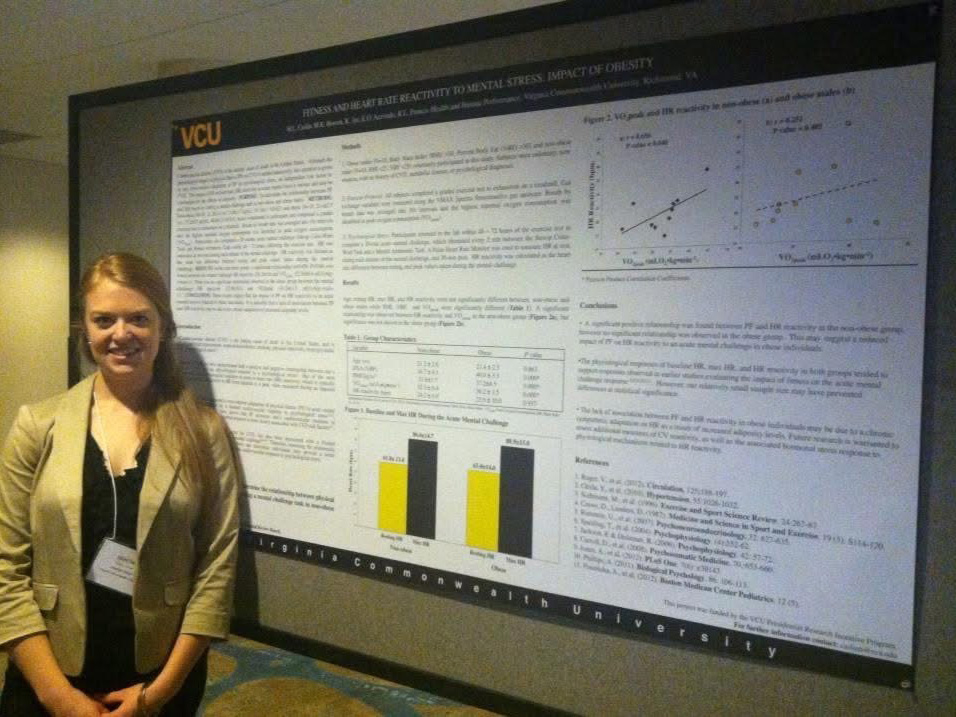 I’m also quite thankful for the breadth of departments and classes I had access to at VCU. For example, my community health course taught me a lot about the healthcare system and social determinants of health that help me more broadly consider the application of my research. The psychology courses I took as electives gave me more interest and understanding about my own and now my student’s motivation and mental health. And then in graduate school, a lot of interdisciplinary courses and courses in the Center for Teaching and Learning Excellence that set the groundwork for how I teach in the classroom today.
What’s your why?
I went into college wanting to help people, and while my how has changed, I believe I still do just that. I train and mentor students and conduct research that will contribute to a healthier, more equitable world.